

When the HMS Nymphe Sailed Into Rockport’s History: The Attack
In the annals of small-town American lore, few stories are as dramatic as the tale of the British warship HMS Nymph and its surprise appearance off the coast of what is today Rockport, Massachusetts, during the War of 1812. Though Rockport is now better known for its rocky shorelines, artist colonies, and quintessential New England charm, its past includes a flash of conflict that locals still commemorate. (Historic Ipswich)
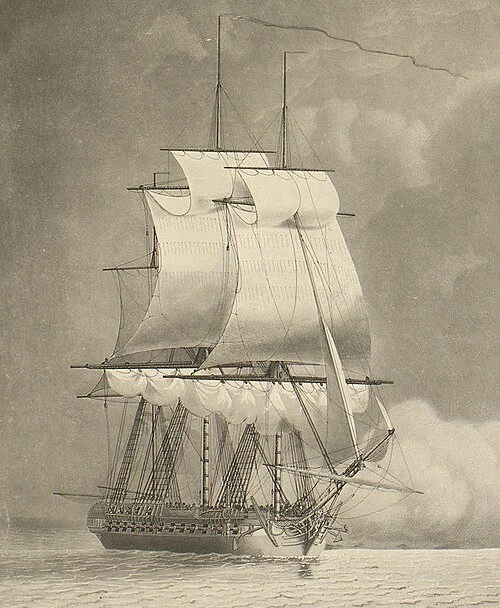
The HMS Nymphe in all her glory
⚓ The HMS Nymph: A British Frigate Off Cape Ann
During the War of 1812 — a conflict often overshadowed by the Revolutionary War but no less intense for coastal communities — the Royal Navy maintained a strong presence along the American seaboard. On September 8, 1814, a British frigate identified in local histories as the HMS Nymph ventured into Sandy Bay, the natural harbor that would later become Rockport’s harbor. With fog shrouding the coastline, the ship seized a local fishing vessel and used its captain as a guide. (Historic Ipswich)
Under cover of darkness, British marines rowed in barges toward Bearskin Neck — the narrow spit of land that juts out into the bay — and launched a sudden attack on the town's small militia post. The invaders captured the sentinel, spiked the artillery, and took several militiamen prisoner. (harbormasters.org)
Unfortunately when one of the landing boats decided to scare the town into submitting by firing upon the Church bell that was being rung, that didn’t anchor the cannon properly, so after it was fired the cannon shot through the bottom of the boat leading to it sinking and them all being captured. You can still see the cannon in the rear of the Old Sloop Church.
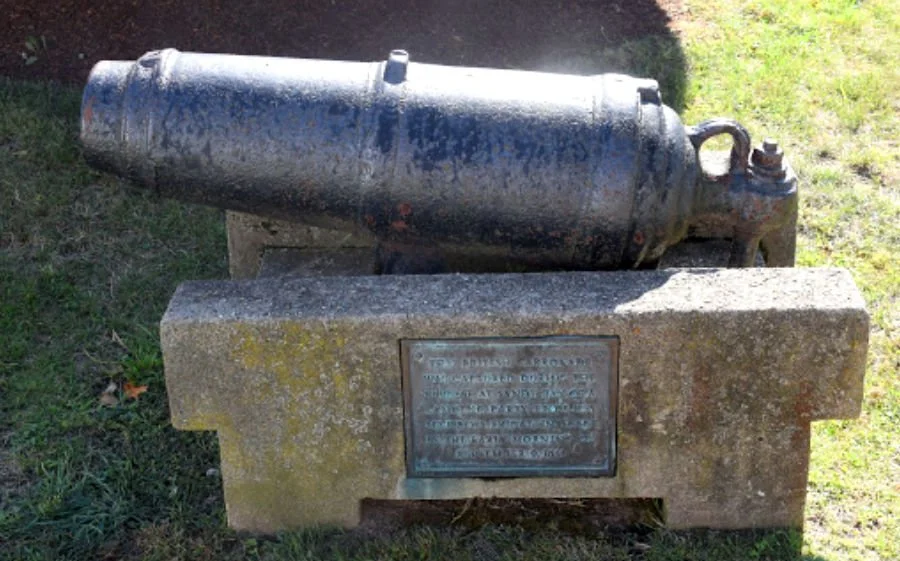
Cannon from the Landing Boat of the HMS Nymph
🪨 Rockport Residents Fight Back
The story that followed straddles the line between legend and documented history. According to accounts preserved by local historians, neighbors of the captured men disguised themselves, ambushed the British prisoners, and effected a daring rescue — exchanging captives and compelling the frigate to withdraw. (Historic Ipswich)
To secure safe passage home, the captain of the Nymph promised not to interfere with the town’s fishing boats for the remainder of the season — a promise, local lore insists, he honored. (Historic Ipswich)
🕰️ A Legacy Etched in Stone
Echoes of the event remain visible in Rockport today:
At the Rockport Congregational Church, also affectionately known as “Old Sloop,” a cannonball said to be fired by British forces is part of the building’s history and symbolically connects the site to this episode. (Vintage Rockport)
The dramatic intrusions of British forces are remembered in the narratives told by local historical societies and through the enduring imagery of townspeople repelling invaders with whatever tools they had. (Old Sloop)
Though the HMS Nymph itself is just a name in naval registries — distinct from better-documented Royal Navy vessels of the age — its brief incursion into Massachusetts lore highlights how global conflicts once reached right into the harbors and backyards of small American towns. (Wikipedia)
🧭 Why This Story Still Matters
For residents and visitors to Rockport, the tale of the HMS Nymph is more than a historical footnote — it’s a reminder of how maritime power and local courage intersected on these Atlantic shores. In a town famed for fishing schooners and postcard views, the visit by a British warship during America’s second war for independence is a remarkable thread linking Rockport to the wider sweep of global history.
Whether you’re a history buff, a maritime enthusiast, or simply someone who loves discovering hidden stories in New England towns, the legacy of the HMS Nymph adds a rich, unexpected chapter to Rockport’s heritage. (Historic Ipswich)