

Written in Stone: The Geology of Cape Ann, Massachusetts
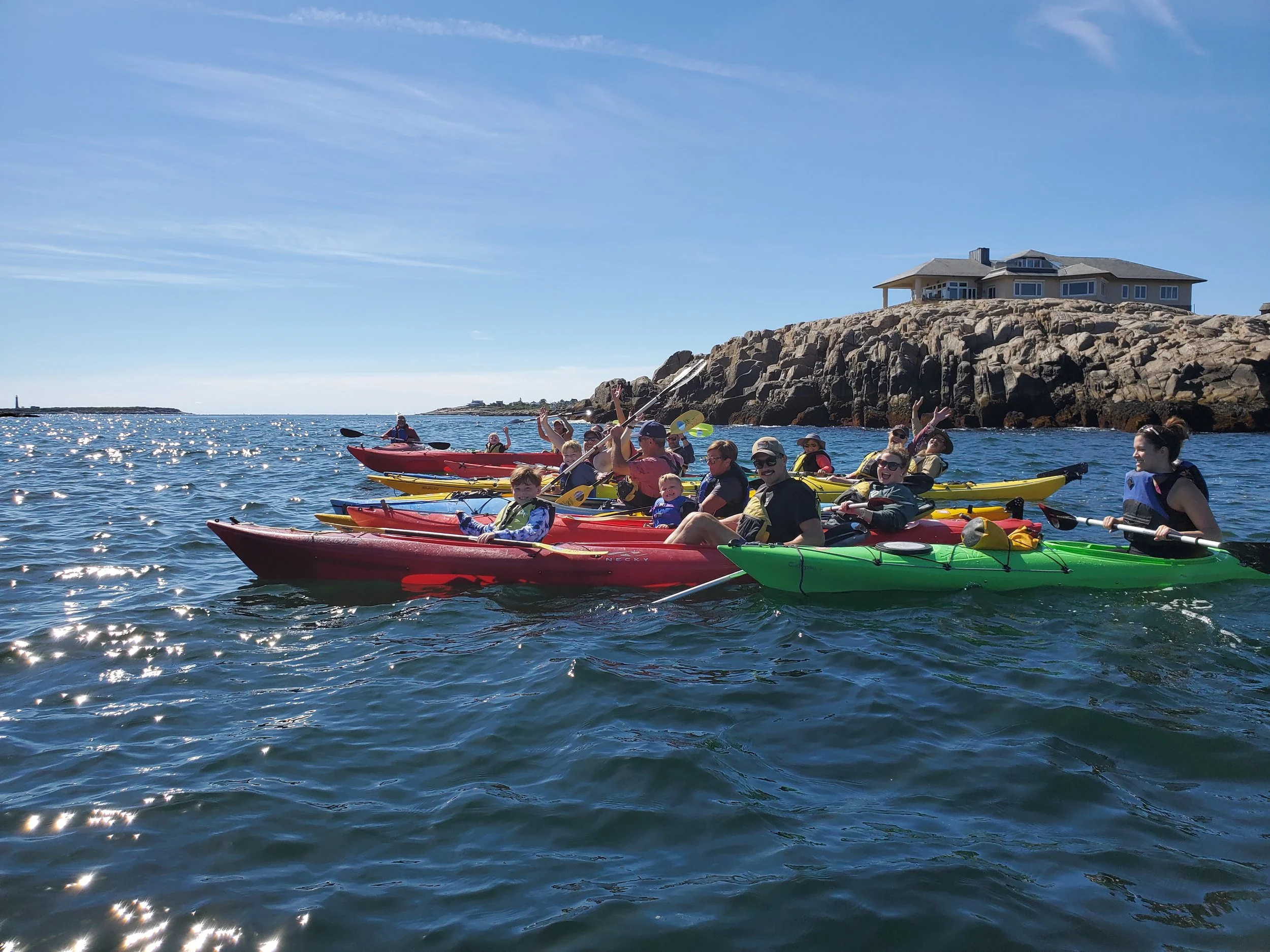
Kayaking along the sharp granite shoreline
Cape Ann’s rugged beauty isn’t accidental. Every granite ledge, wave-sculpted cliff, and pebble-strewn beach tells a story hundreds of millions of years in the making. Long before fishing boats, lighthouses, or seaside villages, powerful geologic forces shaped this corner of Massachusetts into the dramatic landscape we see today.
An Ancient Foundation
The bedrock of Cape Ann is among the oldest in New England, formed roughly 450 million years ago during a period of intense volcanic activity. Molten rock cooled slowly beneath the Earth’s surface, eventually becoming the distinctive Cape Ann granite. Over time, tectonic collisions and continental shifts pushed this rock upward, locking it in place as a durable foundation.
This granite is famously hard and weather-resistant, which is why Cape Ann’s coastline looks so bold and angular compared to softer, sandy shores farther south.
Ice, Pressure, and Transformation
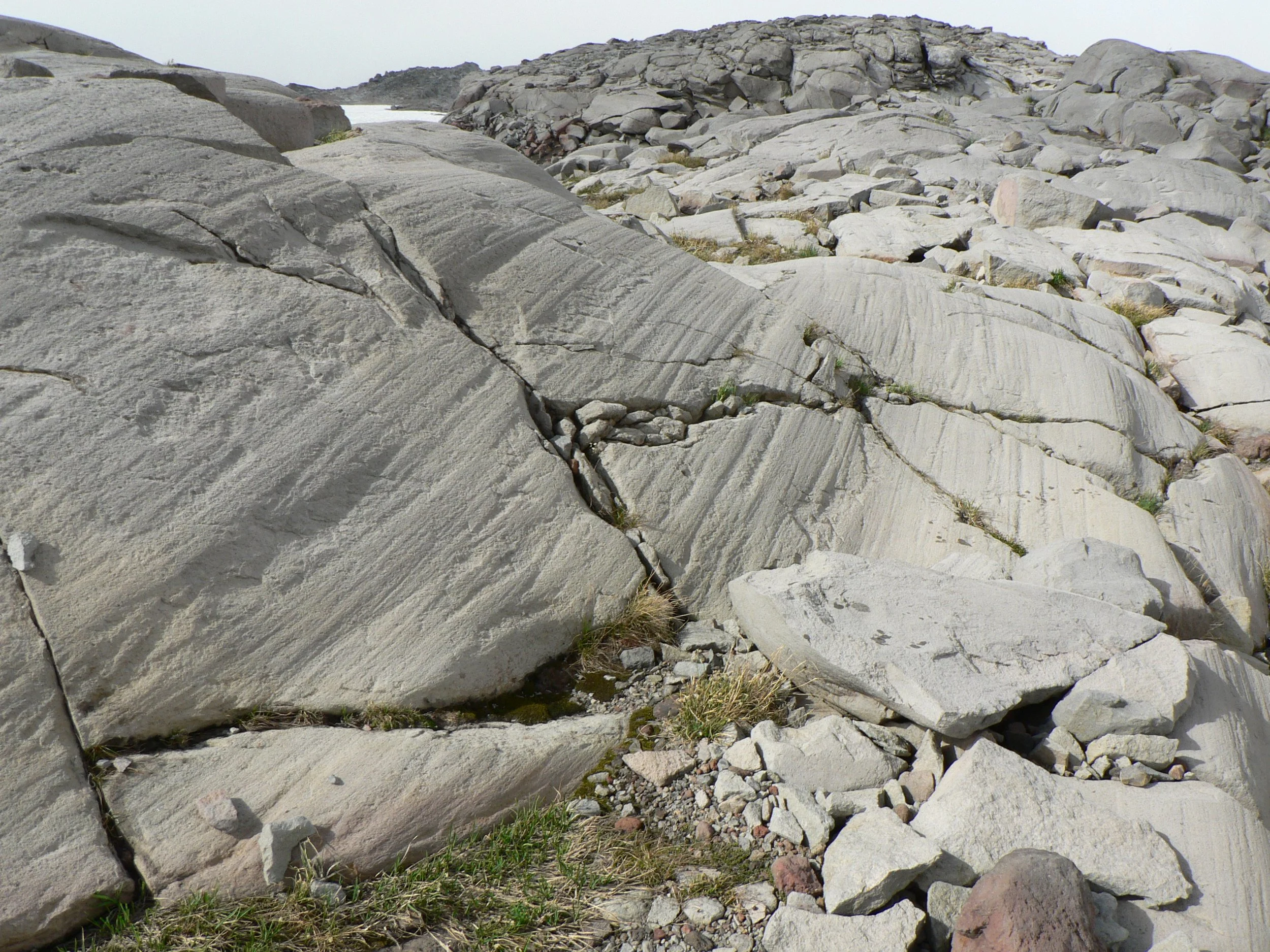
Glacial Striations along the shoreline
While the granite formed deep underground, glaciers were the forces that sculpted it into its present shape. During the last Ice Age, massive ice sheets advanced and retreated over Cape Ann, grinding the surface like sandpaper. As the ice moved, it carved smooth domes, deep grooves, and striations (deep scratches) that are still visible today at places like Halibut Point, Straitsmouth, and Thacher Island.
The glaciers also plucked and transported enormous boulders, depositing them as glacial erratics—rocks that seem oddly out of place but serve as clear evidence of ice-driven movement.
From Quarry to Coastline
Cape Ann granite became one of the region’s most valuable natural resources. Beginning in the 19th century, extensive quarrying transformed the landscape, leaving behind dramatic pits and steep walls. Stone from these quarries was shipped across the country and used in bridges, buildings, and monuments, including parts of Boston and New York City. Even the base of the Statue of Liberty is composed of our local Cape Ann Granite mined from Beattie Quarry.
When quarrying declined during the Great Depression, many sites filled with water, forming deep, clear pools that now feel like natural features but are rooted in industrial history. Halibut Point, once an active quarry, is now a state park where visitors can see the raw geology up close.
Beaches Built by Time
Unlike sandy beaches formed from eroding shells and coral, many of Cape Ann’s beaches are composed of pebbles and cobbles. These stones are fragments of granite and other local rock, tumbled smooth by waves over thousands of years. Each storm rearranges them, constantly reshaping the shoreline.
This ongoing process is a reminder that Cape Ann’s geology is not static—it continues to evolve with every tide and nor’easter.
A Living Landscape
Today, Cape Ann’s geology influences everything from marine habitats to human settlement. Rocky shores create tide pools and underwater ledges rich in marine life, while elevated granite headlands offer natural vantage points and protection from erosion. Even the character of the towns—stone walls, wharves, and foundations—reflects the land beneath them.
To walk Cape Ann’s coast is to walk on deep time. The cliffs and boulders may seem immovable, but they are the product of fire, ice, and relentless motion. In their quiet strength, they remind us that the landscape itself has a story worth reading—if you know how to look.