

Wings Over the Water: Seabirds of Cape Ann, Massachusetts
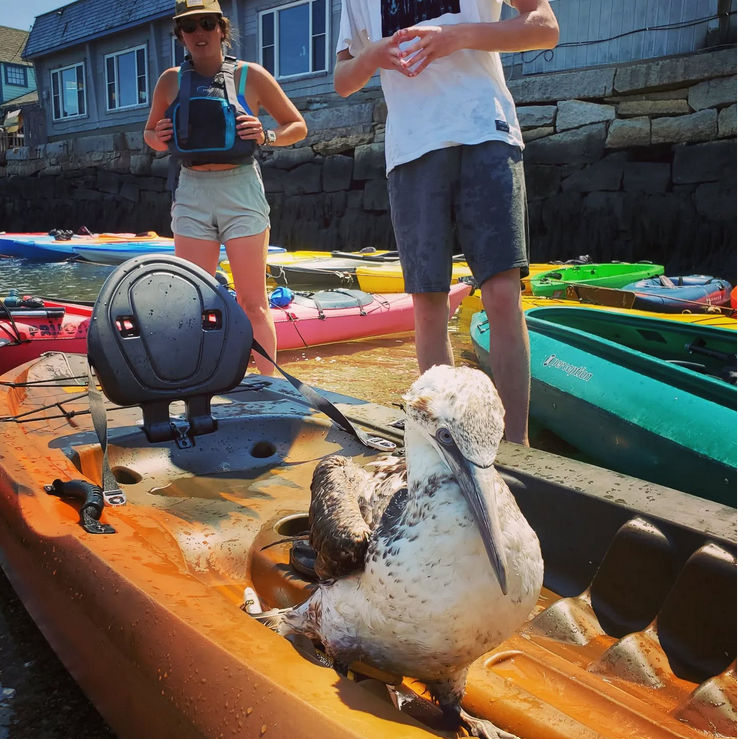
Northern Gannet with fishing lure stuck on leg. We rescued and released.
On Cape Ann, MA, the ocean is never quiet for long. Even on calm mornings while kayaking, the air carries the sharp calls of gulls, the wingbeats of passing cormorants, and the sudden splash of a dive from above. For birders, photographers, and anyone who simply looks up, Cape Ann is one of Massachusetts’ most rewarding places to experience seabirds in their element. Professional and Amateur birders travel from around the world to visit our magical coastline, and we are lucky enough to live here!
A Natural Crossroads
Jutting into the Gulf of Maine, Cape Ann sits at a natural meeting point for migratory routes and coastal feeding grounds. Cold, nutrient-rich waters support abundant fish and plankton, drawing seabirds close to shore year-round. Rocky headlands, offshore ledges, and sheltered harbors provide ideal resting and nesting areas, making the region a magnet for both resident and visiting species.
The Familiar Faces
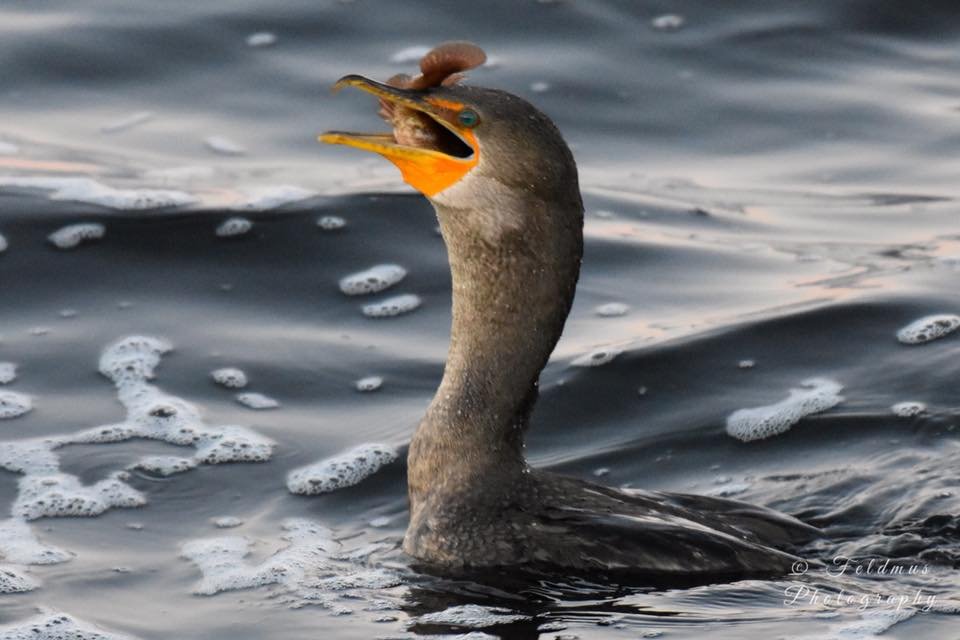
Double Crested Cormorant eating fish
Gulls are the most visible residents, and while they’re easy to overlook, they’re anything but simple. Herring gulls, great black-backed gulls, and ring-billed gulls all patrol the coastline, each with distinct size, calls, and behaviors. Watching them soar effortlessly on coastal winds or squabble over food is a lesson in adaptability and social dynamics. In the spring we often observe them hatching, and fledging while on Thacher island for our tours.
Double-crested cormorants are another Cape Ann staple. Often seen with the emerald green eyes perched on rocks with wings spread wide, they dry their feathers after deep dives for fish. Underwater, they are powerful hunters; above water, they lend a prehistoric silhouette to the shoreline.
Masters of the Dive
Few sights are as thrilling as a tern or osprey plunge-diving at full speed. Common terns and Arctic terns arrive in warmer months, hovering briefly before dropping like arrows into the sea. Their streamlined bodies and sharp reflexes make them precision hunters, and their presence often signals schools of baitfish just below the surface.
Northern gannets, seen mainly in colder months, take diving to another level. These large, striking birds fold their wings and crash into the water from impressive heights, disappearing beneath the waves before resurfacing with fish in their bills. Spotting a gannet offshore is a highlight for many Cape Ann birders.
American Oystercatchers, with their bright orange bills, are often observed flying and sometimes even nesting on Thacher or Straitsmouth island.
Seasonal Surprises
Cape Ann’s seabird scene shifts with the seasons. In winter, hardy species like razorbills, common murres, and black-legged kittiwakes can appear offshore, riding swells that keep less-adapted birds away. During migration, unexpected visitors may pass through, turning a routine walk along the rocks into a memorable discovery.
Fall storms can be especially dramatic, pushing pelagic species closer to land and offering rare viewing opportunities from shore—proof that sometimes rough weather brings the best rewards.
Watching with Care
Seabirds are resilient, but they’re also vulnerable to changing ocean conditions, pollution, and habitat disturbance. Cape Ann benefits from conservation efforts and informed observers who give nesting birds space and respect protected areas. Simply watching quietly—from your kayak, the Headlands, Halibut Point or along the beaches of Rockport and Gloucester—helps ensure these birds continue to thrive.
Looking Up
On Cape Ann, seabirds are part of daily life, woven into the rhythm of tides and weather. They connect land to sea, past to present, and remind us that the coast is always in motion. Whether you’re an experienced birder or someone who just enjoys a walk by the water, taking a moment to look up can reveal a sky full of stories.